Get instant access to video lessons taught by experienced investment bankers. Learn financial statement modeling, DCF, M&A, LBO, Comps and Excel shortcuts. The assets section is informative with regard to understanding which assets belonging to the company constitute the greatest percentage.
AI in Finance: Strategy, Applications and Impact
- This analysis allows for a clear understanding of each line item as a percentage of net sales, facilitating comparisons both within the year and across different years.
- At FangWallet, we value editorial integrity and open collaboration in curating quality content for readers to enjoy.
- It’s essential for strategic planning, investor relations, and performance management.
- By using vertical analysis we can look at the proportional contribution of each cost (COGS, marketing, salaries, etc) and analyze which are having a significant impact on profitability.
- Mike is an expert at assessing a company’s needs in their finance function.
- An income statement summarizes revenue and expenses over a defined time window – usually a month, quarter, or year – to reveal profit or loss.
Manual processes and incomplete documentation often limit the value of that analysis. Alaan provides the strong data foundation that accurate financial analysis depends on, helping finance teams move from manual clean-up to strategic insight. Use horizontal analysis to examine period-over-period changes and vertical analysis vertical analysis to understand how each line item contributes to the overall structure. Together, they reveal shifts that may not be obvious from absolute numbers. The quick ratio removes inventory from current assets to measure the company’s ability to pay short-term obligations using its most liquid resources. It is a more conservative measure of liquidity and is useful for businesses with slow-moving inventory.

Multiple Currency Accounts Explained for UAE Finance Teams
- McCracken’s network specializes in exactly this transformation—turning financial analysis from necessary evil into a competitive advantage.
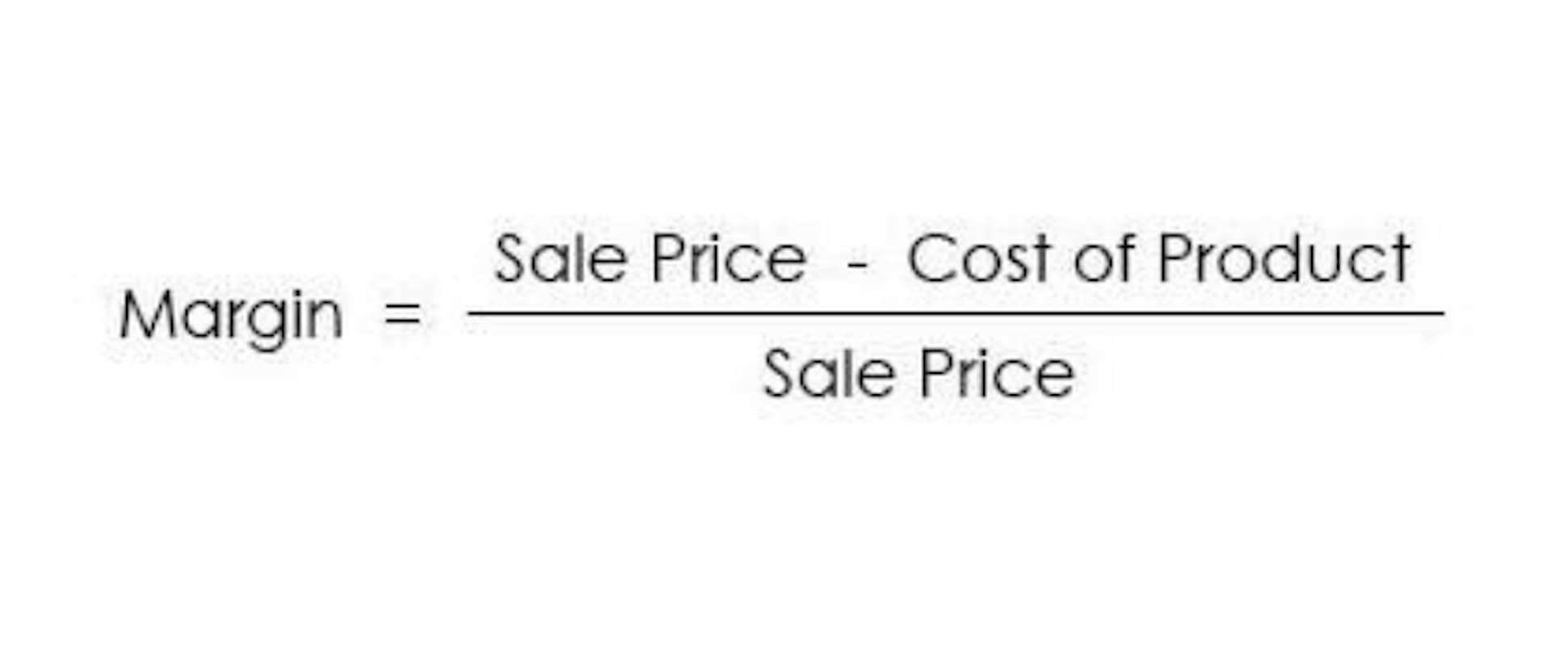
- It is the percentage of sales revenue left over after subtracting operating expenses.
- The profit made for every dollar of sales revenue is the gross domestic margin.
- Non-profit organizations can use vertical analysis to analyze their financial accounts and uncover trends and patterns in their revenue and expenses.
- While each financial statement is viewed differently and the ratios are compared on a different basis, it is common to see the methodology prepared in this way.
- For instance, suppose the total revenue is Rs.10 crore and the cost of goods sold (COGS) is Rs.4 crore, then the COGS would be 40% of total revenue.
Vertical Analysis is like having a cheat sheet for comparing different companies. By looking at each line item as a percentage of total revenue, you can see how companies stack up against each other. It’s super handy when you want to spot trends or see who’s managing their costs better without getting lost in the numbers.
How does Vertical Analysis improve financial trend analysis?
- Vertical analysis is a type of ratio analysis that presents each line on the financial statements as a percentage of another item.
- This analysis involves using various metrics and methods to assess profitability, liquidity, solvency, and efficiency, helping stakeholders make informed decisions about the financial status of a company.
- When combined with horizontalanalysis, valuation metrics, and the visual power of FAST Graphs, it becomes anindispensable component of disciplined fundamental analysis.
- For example, comparing current expenses to previous years as a proportion of revenue is far more useful than looking just at the raw numbers.
- In contrast, the income statement uses total revenue or sales as the starting point.
- Here’s another example of a vertical analysis as applied to the balance sheet.
From this analysis, we can see that ABC Corp.’s revenue grew by 10% from 2019 to 2020 and by 20% from 2019 to 2021. Similarly, the cost of goods sold and gross profit also show corresponding changes. A tech company might show 25% of its revenue directed towards R&D, which is high compared to the industry average of 15%. This indicates a strategic decision to invest in innovation for long-term growth. Depending on your audience and purpose, you may use different formats and styles to present your vertical analysis results. For example, you may use a table, a chart, a report, or a presentation to show your findings and recommendations.

Additionally, the base amount is often the overall revenue or sales (for the time period under consideration). Hence, it determines the relative importance of various elements in financial statements and to find trends and patterns (further use to make financial decisions). For the balance sheet, total assets or total liabilities and equity are commonly used as base figures in vertical analysis. Expressing each balance sheet line item as a percentage of the base allows analysts to understand the relative composition of assets, liabilities, and equity. It also facilitates comparison of balance sheet components over time or between companies.

Why is Vertical Analysis Important for Financial Analysis?
This analysis becomes even more intriguing when comparing across periods or against industry benchmarks. Once you have the financial statements compiled, it’s easy to make comparisons. It automatically collects data and helps generate common-size financial statements. This way, analysts don’t have to do this manually, and can perform vertical and horizontal analysis easily. Vertical analysis focuses on a single period, expressing each line item in percentages of total revenue or assets. It helps companies assess cost structures and compare performance within that period.

This technique is primarily used to review the relative proportions of different line items in an income statement, such as the proportion of cost of goods sold to total revenue. It helps to understand the correlation and trends of various expense heads with respect to the revenue. This method expresses each line item on a financial statement as a percentage of a key benchmark, typically total revenue (in the case of the income statement) or total assets (for the balance sheet). It allows stakeholders, including investors, analysts, and management, to https://www.bookstime.com/ gain valuable insights into a company’s financial structure and performance. Vertical analysis is a kind of financial statement analysis wherein each item in the financial statement is shown in the percentage of the base figure.
Vertical analysis only shows the composition of the income statement or balance sheet, but it does not reveal how well the company is using its resources or generating value. For example, a company may have a high net profit margin of 30%, but if its return on assets or return on equity is low, then it may not be creating enough wealth for its shareholders. Similarly, a company may have a low inventory turnover ratio of 2, https://www.gretacerretti.it/2023/08/16/understanding-tax-return-preparer-credentials-and-2/ but if its days sales outstanding or days payable outstanding is high, then it may have cash flow problems. Vertical analysis only shows the percentage of each item in relation to the total, but it does not tell you the actual amount of revenue, expenses, assets, liabilities, or equity.