What Is Money Disbursement? Types & Greatest Practices

The cash has been debited from the lender’s account and credited to the borrower’s account. A disbursement is a fee that is debited from a payer’s account and then credited to the payee’s account. It can additionally be used to examine whether or not there are bills which might be uncommon or unauthorized.

How Do Businesses Monitor Disbursements?

Whereas less https://accounting-services.net/ common, some companies still use money for small purchases or petty money expenses. Proper documentation and reconciliation are important when dealing with cash funds. If you’re using accounting software, set up automated journal entries to assist hold your cash disbursement journal updated with each fee. This minimizes the danger of human error and reduces the time spent on handbook entry. Past these operational benefits, well-managed cash disbursements give you higher visibility into your money flow patterns. Money disbursements play a significant function in maintaining your small business’s financial well being.

cash disbursement example

Tips On How To Calculate Ratios In Accounting For Evaluation

Entries from the cash disbursements journal are posted to the final ledger to maintain financial data present. Beneath double-entry accounting, a cash disbursement decreases the cash account (a credit) and will increase an expense, asset, or liability account (a debit). For occasion, paying a utility invoice debits a utility expense account and credit the money account. Cash disbursement refers to the strategy of paying out cash or cash equivalents from a company’s accounts to settle monetary obligations. Monitoring money disbursements precisely is necessary for managing liquidity, a business’s ability to meet its short-term monetary obligations. Correct record-keeping ensures solvency and provides knowledge for knowledgeable monetary decisions.

  • A cash disbursement journal is a method of recording all cash flows for your small business.
  • Implementing strong internal controls, corresponding to segregation of duties and approval workflows, helps stop errors and fraud.
  • The bigger the group making the disbursement, the extra elaborate the method.

Keep Organized With A Money Disbursement Journal

Each of those columns is then added up on the finish of the journaling interval to reach at a total sum. Cash orders are pay as you go certificates that perform equally to cheques. They are sometimes used when a payee doesn’t settle for cheques or when the payer needs to take care of anonymity.

cash disbursement example

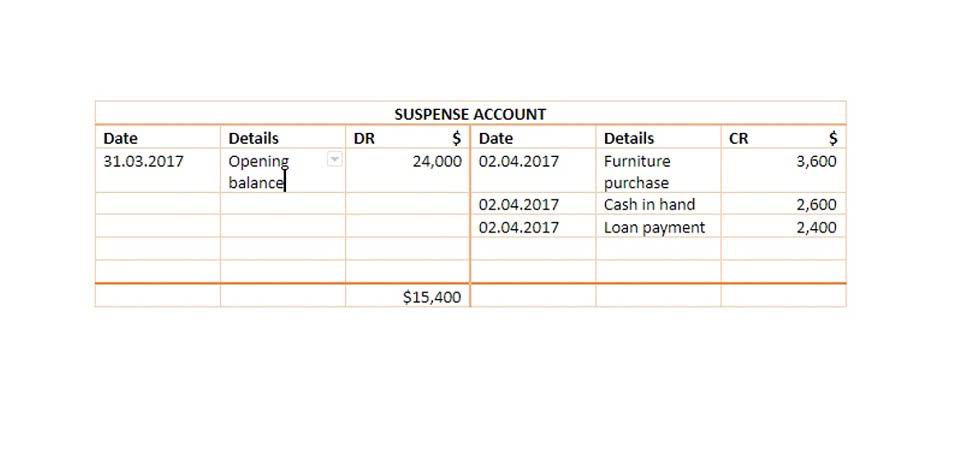
They have to scale back the accounts payable in addition to the money on hand. The journal entry is debiting accounts payable $ 2,000 and credit cash readily available $ 2,000. Leed Firm is a producing firm and might want to cash disbursement example use the knowledge from the supplies purchases price range first.

What Is A Money Disbursements Journal?

We can also analyze previous accounts receivable to determine when credit gross sales are typically paid. This entails acquiring approval for a payment, usually triggered by an bill, purchase order, or expense report. Verification of the bill towards items or companies acquired ensures accuracy and legitimacy. Disbursement varieties include loan disbursements, expense reimbursements, dividend distributions, and wage funds.

Course Of Costing Vs Job Order Costing

Examples of processes could be the price of packaging goods, of raw materials going into manufacturing, or of assembly. This is distinctly different from course of costing, which averages prices over massive batches of identical merchandise. Job order costing makes tracking direct labor and overhead bills simpler for individual projects, offering extra exact value management and pricing accuracy. The course of costing method is optimal for manufacturing industries that mass-produce items uninterruptedly, the place every product is virtually equivalent to the earlier one. This methodology focuses on accumulating bills in every hyperlink of the manufacturing itinerary, regardless of whether or not they’re inputs, labor or collateral prices, and then dividing them by the entire number of items manufactured. In this way, a median cost per piece is obtained, which simplifies the analysis of bills in industries where the quantity of producing is high, and operations are homogeneous.

job order costing and process costing

In distinction, period costs usually are not instantly related to the production course of and are expensed in the course of the period during which they are incurred. This method matches administrative and different expenses shown on the earnings statement in the identical period by which the corporate earns revenue. Having an correct understanding of your small business costs is extremely essential in creating a profitable and successful endeavor. Depending on what business you are in and how you might be working, you’ll probably discover one or the opposite to be a extra appropriate choice for all your costing functions. Except you offer quite lots of both customised and standardized merchandise, you may be unlikely to wish to use each kinds of costing processes. In addition to requiring meticulous data, job order costing also needs accurate monitoring.

What Is The Distinction Between Job Order Costing And Process Costing?

In conclusion, job order costing and course of costing systems supply specific and tailored approaches to price administration, relying on the production characteristics and strategic wants of each company. Typically, course of costing makes sense if the person prices or values of each unit aren’t significant. For instance, it would not be cost effective for a restaurant to make each cup of iced tea separately or to track the direct material and direct labor used to make each eight-ounce glass of iced tea served to a customer. In this situation, job order costing is a much less environment friendly accounting methodology as a end result of it prices more to trace the costs per eight ounces of iced tea than the price of a batch of tea. Overall, when it is difficult or not economically possible to track the costs of a product individually, course of costing is typically one of the best value system to use. Job order costing is often a extra complex system and is appropriate when the level of detail is important, as discussed in Job Order Costing.

However it can be exhausting to implement and a little extra difficult that just working outa weighted or normal average value per unit and making use of that. Finally, job order costing and process costing are price accounting methods that are both viable – the secret is to identify unique circumstances and wishes of your small business. Once the direct and oblique prices are calculated, they’re added together and submitted to the shopper to provide a quote for the job. If the customer is happy with the quote they will place the order and the manufacturing can start. During the manufacturing course of, each job is assigned a singular production quantity and will be recognized by this quantity until the job is completed.

Direct Supplies

job order costing and process costing

The direct effort to turn raw supplies into completed merchandise is accounted for under direct labor. For example, let’s assume that you’re in the business of manufacturing bespoke premium furniture. Each piece in your furniture inventory you produce is exclusive and custom-made on your clients. Each unit produced in that course of receives an equal share of whole prices, meaning that if 100,000 bottles of soda are produced, the value of uncooked materials, labor, and overhead for that batch is averaged throughout every bottle. A firm implementing job order costing assigns a job quantity or code to each order. Costs are tracked individually for each job to determine the entire price incurred as soon as the job is completed.

Assigning these product prices to individual merchandise stays an important objective for course of costing, just as with job costing. However, as an alternative of assigning product prices to particular person jobs (shown on a job price sheet), course of costing assigns these costs to departments (shown on a departmental production value report). Job order costing is used when different sorts of merchandise are produced in batches to customer specifications.

job order costing and process costing

Components Of A Job Order Costing System

  • While still in manufacturing, the work in course of units are moved from one department to the subsequent till they’re accomplished, so the work in course of inventory contains all of the models in the shaping and packaging departments.
  • In contrast to actual costing, normal costing entails utilizing a predetermined or budgeted overhead fee to estimate the overheads.
  • Nonetheless, as an alternative of assigning product costs to particular person jobs (shown on a job price sheet), course of costing assigns these costs to departments (shown on a departmental manufacturing value report).
  • Job order costing is an accounting system that traces the individual prices on to a last job or service, as a substitute of to the production division.

Manufacturing software program can deal with the monitoring whereas also helping out on the reporting aspect. Job order costing, or job order cost accounting, is an accounting methodology that calculates the precise price of every product assembled. As mentioned above, it’s particularly helpful for businesses that produce custom products or small batch manufacturing runs. Each work, corresponding to the construction of a personalised residence in accordance with the requirements of its owner, is approached as a piece order with defined traits. By centralizing this information in a single responsible account, it’s possible to faithfully calculate the entire quantity demanded by the construction in question, and determine the monetary feasibility of the project. While the job is being performed, you want to preserve a job value sheet to trace the actual materials and labor being used.

Sticking to our earlier instance of a premium furnishings enterprise, let’s say that you have got a workforce of 10 individuals, and at 40 hours/week, for 50 weeks/year, you get a total of 20,000 labor hours/year. To avoid job order costing and process costing these estimation issues, the actual costing strategy typically uses the number of hours spent on the job as a proxy to discover out the overheads. Intuitively, this means that if a job takes 1 hour to finish and another takes 2 hours, then the job that took 2 hours may have twice the overhead. However let’s get somewhat more technical and dive into the mathematical formulation for it. For the Partner’s desk, all the Bocote wood, and the metal furnishings, corresponding to handles and rails for the drawers, could be a part of the direct uncooked materials.

Figure 4.1 “A Comparability of Price Flows for Job Costing and Process Costing” reveals how product prices circulate via accounts for job costing and process costing methods. Table four.1 “A Comparability of Course Of Costing and Job Costing” outlines the similarities and variations between these two costing methods. Prior to the sale of the product, separating manufacturing costs and assigning them to the product leads to https://www.online-accounting.net/ these prices remaining with the inventory. Till they are offered, the prices incurred are reflected in an assortment of inventory accounts, such as raw supplies inventory, work in course of inventory, and completed goods inventory. Uncooked materials are stored in the materials storeroom and delivered to the suitable manufacturing department—cutting, painting, or assembly/finishing.

In this text, we’ll show you the key differences between process costing and job order costing. Work in process begins with the primary stage of manufacturing (mixing and blending), continues with the second stage (bottling), and ends with the third stage (inspecting, labeling, and packaging). When products have gone via all three stages of production, they are shipped to a warehouse, and the prices are entered into completed goods stock. Once merchandise are delivered to retail stores, product prices are transferred from completed items stock to value of products bought. You might discover that the case for your business is obvious cut, and that one or the other of job/process costing is clearly the superior selection for you.

North Carolina Taxpayers’ Bill of Rights

what is the taxpayer bill of rights

This right ensures that taxpayers are only required to pay the correct amount of tax, no more and no less. The CRA must correctly assess your tax liability based on the appropriate legislation. TABOR’s opponents have a laundry list of reasons why they think the law is bad public policy.

what is the taxpayer bill of rights

Education Credit Calculator: A Guide to Maximize Benefits

  • It was also on the 2008 Republican Primary Ballot as a nonbinding initiative.
  • In most cases, the Alabama Department of Revenue (ALDOR) accepts tax returns as filed.
  • We do not take collection action on an amount you owe until after we give you an opportunity to pay.
  • To this day, I’ll say “Treasury” in response to inquiries about where I worked back when I was a government employee.

Your Bill of Rights guarantees we do not evaluate employees on the revenue they produce through additional tax assessments or collections. We must submit an annual letter to the Legislature to certify we do not evaluate employees on revenue generated performance. The CRA must apply tax laws consistently across all cases, ensuring that similar situations receive similar treatment. The IRS will not tolerate discrimination based on age, color, disability, race, reprisal, national origin, English proficiency, religion, sex, sexual orientation or status as a parent. This includes any contact with IRS employees and the staff or volunteers at community sites.

  • Understanding the differences between these local, state, and federal laws and charters can be confusing and difficult.
  • Knowing your basic Taxpayer Bill of Rights and having quality representation when facing the IRS are two separate issues, and it’s best to be well-prepared on both fronts.
  • Generally, the IRS has three years from the date you file to audit you, and 10 years from the date a tax is assessed to collect it.
  • When planning to navigate your rights as a taxpayer in your state and county, it’s a good idea to get in touch with a professional.
  • Part of that right includes having ample time to receive and respond to these notices.

Essential Resources for Business Audit and Compliance

what is the taxpayer bill of rights

The American Taxpayer Bill of Rights by comparison is codified within the Internal Revenue https://wayfstxpress.com/what-is-product-cost-and-how-to-calculate-with/ Code thus ensuring greater compliance on behalf of the government and the taxpayer. Based on the outcome of this conference, ALDOR will either cancel, change, or affirm its previous action. If you do not timely file your petition for review, or ALDOR determines from the conference that the preliminary assessment is due to be upheld in whole or in part, then ALDOR will enter a final assessment.

Tax Refund Calculator: Accurately Estimate Your Tax Refund

Mastering the Maze of State Tax Extensions Navigating the labyrinth of state tax extensions can… If you’ve never applied for a tax extension before, the process can seem a bit… Navigating the Complexities of Underpayment Penalties for Estimated Taxes In the United States, the federal… Navigating the Path to Amending Your Tax Return Filing taxes can often feel like navigating…

Comprehensive Guide to California State Tax

what is the taxpayer bill of rights

The Taxpayer Bill of Rights states that taxpayers can object to any formal action the IRS takes, and expect the IRS to respond in a timely manner. Taxpayers can challenge the IRS on their position and, if they have the evidence and documentation to prove it, argue against the IRS’s actions. In 2014, the IRS began taxpayer bill of rights adopting a ten-point charter considered to be a reaffirmation of existing rights already written into the Internal Revenue Code. The mission of the IRS is to provide America’s taxpayers top-quality service by helping them understand and meet their tax responsibilities and enforce the law with integrity and fairness to all.

what is the taxpayer bill of rights

This section generally provides that for California laws enacted on or after January 1, 1998, regulations relating to those laws may apply retroactively if we issue the regulation within 24 months of the enactment date. If you receive a notice from us that imposes a penalty, the notice must include the name of the penalty, the section of law under which we imposed the penalty, and a description of the penalty computation. Also, we will provide you with a penalty computation at your request. If you receive a notice from us that states you must pay interest, the notice must include the section of law under which we imposed the interest and a description of how we computed the interest.

LIHTC Basics: What Every Property Owner Should Know

OTRA provides assistance if you have a tax problem you haven’t been able to resolve with the department. If you qualify, you’ll be assigned to one advocate who will work diligently with you to resolve your tax problem. If we send you a bill or notice, we will tell you why you received it, what actions you https://www.bookstime.com/articles/how-to-pay-international-contractors may take to resolve the matter, any protest actions that may be available to you, and what number to call for assistance.

Vertical Analysis: How to Analyze Your Income Statement and Balance Sheet in Proportion

vertical analysis of income statement

Get instant access to video lessons taught by experienced investment bankers. Learn financial statement modeling, DCF, M&A, LBO, Comps and Excel shortcuts. The assets section is informative with regard to understanding which assets belonging to the company constitute the greatest percentage.

AI in Finance: Strategy, Applications and Impact

  • This analysis allows for a clear understanding of each line item as a percentage of net sales, facilitating comparisons both within the year and across different years.
  • At FangWallet, we value editorial integrity and open collaboration in curating quality content for readers to enjoy.
  • It’s essential for strategic planning, investor relations, and performance management.
  • By using vertical analysis we can look at the proportional contribution of each cost (COGS, marketing, salaries, etc) and analyze which are having a significant impact on profitability.
  • Mike is an expert at assessing a company’s needs in their finance function.
  • An income statement summarizes revenue and expenses over a defined time window – usually a month, quarter, or year – to reveal profit or loss.

Manual processes and incomplete documentation often limit the value of that analysis. Alaan provides the strong data foundation that accurate financial analysis depends on, helping finance teams move from manual clean-up to strategic insight. Use horizontal analysis to examine period-over-period changes and vertical analysis vertical analysis to understand how each line item contributes to the overall structure. Together, they reveal shifts that may not be obvious from absolute numbers. The quick ratio removes inventory from current assets to measure the company’s ability to pay short-term obligations using its most liquid resources. It is a more conservative measure of liquidity and is useful for businesses with slow-moving inventory.

vertical analysis of income statement

Multiple Currency Accounts Explained for UAE Finance Teams

  • McCracken’s network specializes in exactly this transformation—turning financial analysis from necessary evil into a competitive advantage.
  • It is the percentage of sales revenue left over after subtracting operating expenses.
  • The profit made for every dollar of sales revenue is the gross domestic margin.
  • Non-profit organizations can use vertical analysis to analyze their financial accounts and uncover trends and patterns in their revenue and expenses.
  • While each financial statement is viewed differently and the ratios are compared on a different basis, it is common to see the methodology prepared in this way.
  • For instance, suppose the total revenue is Rs.10 crore and the cost of goods sold (COGS) is Rs.4 crore, then the COGS would be 40% of total revenue.

Vertical Analysis is like having a cheat sheet for comparing different companies. By looking at each line item as a percentage of total revenue, you can see how companies stack up against each other. It’s super handy when you want to spot trends or see who’s managing their costs better without getting lost in the numbers.

How does Vertical Analysis improve financial trend analysis?

  • Vertical analysis is a type of ratio analysis that presents each line on the financial statements as a percentage of another item.
  • This analysis involves using various metrics and methods to assess profitability, liquidity, solvency, and efficiency, helping stakeholders make informed decisions about the financial status of a company.
  • When combined with horizontalanalysis, valuation metrics, and the visual power of FAST Graphs, it becomes anindispensable component of disciplined fundamental analysis.
  • For example, comparing current expenses to previous years as a proportion of revenue is far more useful than looking just at the raw numbers.
  • In contrast, the income statement uses total revenue or sales as the starting point.
  • Here’s another example of a vertical analysis as applied to the balance sheet.

From this analysis, we can see that ABC Corp.’s revenue grew by 10% from 2019 to 2020 and by 20% from 2019 to 2021. Similarly, the cost of goods sold and gross profit also show corresponding changes. A tech company might show 25% of its revenue directed towards R&D, which is high compared to the industry average of 15%. This indicates a strategic decision to invest in innovation for long-term growth. Depending on your audience and purpose, you may use different formats and styles to present your vertical analysis results. For example, you may use a table, a chart, a report, or a presentation to show your findings and recommendations.

vertical analysis of income statement

Additionally, the base amount is often the overall revenue or sales (for the time period under consideration). Hence, it determines the relative importance of various elements in financial statements and to find trends and patterns (further use to make financial decisions). For the balance sheet, total assets or total liabilities and equity are commonly used as base figures in vertical analysis. Expressing each balance sheet line item as a percentage of the base allows analysts to understand the relative composition of assets, liabilities, and equity. It also facilitates comparison of balance sheet components over time or between companies.

vertical analysis of income statement

Why is Vertical Analysis Important for Financial Analysis?

This analysis becomes even more intriguing when comparing across periods or against industry benchmarks. Once you have the financial statements compiled, it’s easy to make comparisons. It automatically collects data and helps generate common-size financial statements. This way, analysts don’t have to do this manually, and can perform vertical and horizontal analysis easily. Vertical analysis focuses on a single period, expressing each line item in percentages of total revenue or assets. It helps companies assess cost structures and compare performance within that period.

vertical analysis of income statement

This technique is primarily used to review the relative proportions of different line items in an income statement, such as the proportion of cost of goods sold to total revenue. It helps to understand the correlation and trends of various expense heads with respect to the revenue. This method expresses each line item on a financial statement as a percentage of a key benchmark, typically total revenue (in the case of the income statement) or total assets (for the balance sheet). It allows stakeholders, including investors, analysts, and management, to https://www.bookstime.com/ gain valuable insights into a company’s financial structure and performance. Vertical analysis is a kind of financial statement analysis wherein each item in the financial statement is shown in the percentage of the base figure.

Vertical analysis only shows the composition of the income statement or balance sheet, but it does not reveal how well the company is using its resources or generating value. For example, a company may have a high net profit margin of 30%, but if its return on assets or return on equity is low, then it may not be creating enough wealth for its shareholders. Similarly, a company may have a low inventory turnover ratio of 2, https://www.gretacerretti.it/2023/08/16/understanding-tax-return-preparer-credentials-and-2/ but if its days sales outstanding or days payable outstanding is high, then it may have cash flow problems. Vertical analysis only shows the percentage of each item in relation to the total, but it does not tell you the actual amount of revenue, expenses, assets, liabilities, or equity.

The Importance of Short-Term Investments in Accounting

Since these investments are meant to be converted into cash quickly, they often have a lower risk profile compared to long-term investments, making them suitable for businesses aiming for liquidity. Short-term investments in accounting refer to financial assets that are expected to be converted into cash or liquidated within one year or one operating cycle, whichever is longer. These investments are vital for businesses as they provide flexibility and accessibility to cash for operational needs. Typical short-term investments can include stocks, bonds, treasury bills, or other marketable securities.

Imagine if your annual household expenses were $50,000 and you had $20,000 in the bank—that wouldn’t be unreasonable. Trading securities are recorded in the balance sheet of the investor at their fair value as of the balance sheet date. If there is a change in the fair value of such an asset from period to period, this change is recognized in the income statement as a gain or loss. Short-term investments play a distinct and important role within a comprehensive financial plan, serving several key purposes for individuals.

Introduction to Held-For-Trading Securities

Investors frequently ask questions regarding held-for-trading securities because of their unique classification and accounting treatment. Here is a list of some common concerns and their answers to help clarify the concept. In addition to these disclosure requirements, public companies may face various regulatory compliance issues depending on their industry and jurisdiction. For instance, investment companies such as mutual funds must comply with SEC regulations concerning net asset value calculations and reporting. On a broader scale, global corporations operating in multiple countries might need to adhere to various international accounting standards, such as the International Financial Reporting Standards (IFRS).

  • Investors can liquidate these assets rapidly, allowing them to reinvest their capital in opportunities that may yield higher returns.
  • Their accounting treatment includes reflecting gains or losses in earnings, while fair value adjustments are reported on the balance sheet.
  • These investments can provide a valuable source of income through interest or dividends, and they help manage liquidity risk effectively, ensuring that the company can meet its short-term obligations.

Their accounting treatment includes reflecting gains or losses in earnings, while fair value adjustments are reported on the balance sheet. Understanding this classification is crucial for investors to manage their portfolios effectively. Held-for-trading securities play a significant role in an investor’s short-term investment strategy. These securities are acquired with the primary goal of generating profits through short-term price changes within one year from the date of purchase. In this section, we will explore why held-for-trading securities are classified as current assets and their impact on cash flows.

That account is usually reported “below the line” (after operating income but before taxable income). As per FASB ASC 320, any changes in the fair value of a held-for-trading security result in unrealized gains or losses which must be recognized immediately as an earnings component. This requirement applies to both open and closed positions and is applied on a trade date basis. The Financial Accounting Standards Board (FASB) in the United States has set forth standards for reporting gains and losses on investments classified as held-for-trading securities. The FASB Accounting Standards Codification (ASC) 320, “Investment Companies,” sets specific guidelines and requirements for publicly traded companies holding such securities. For instance, a company with $2 million in net income and $10 million in total shareholder equity has an ROE of 20%.

How Do Taxes On Investments Work

Treasury note purchased with only three months left until maturity qualifies as a cash equivalent. The primary difference between short-term and long-term investments lies in the holding period. Short-term investments are held for less than one year, while long-term investments are intended to be held for more than one year.

FAQs about Held-For-Trading Securities

If these investments are actively traded, companies may report gains or losses related to changes in fair value, which can impact net income. Short-term investments significantly impact a company’s financial statements, particularly the balance sheet and cash flow statement. They are recorded as current assets on the balance sheet, which affects the company’s liquidity ratios, such as the current ratio and quick ratio. These ratios are vital for investors and creditors as they indicate the company’s ability to meet short-term liabilities. As a finance professional, I often analyze balance sheets to assess a company’s liquidity and financial health.

  • Accounting for short term investments involves recording them at their fair market value on the balance sheet.
  • One such method is the amortized cost approach, often used for debt securities like Treasury Bills.
  • By investing in short-term assets, companies can generate additional income, which can contribute to overall profitability while maintaining flexibility.
  • By separating cash and its equivalents from other temporary investments, the balance sheet gives a precise measure of the resources available to meet immediate obligations.

The choice of valuation method can significantly influence the perceived financial health of a company. One commonly used approach is the fair value method, which involves determining the current market price of an investment. This method is particularly relevant for trading securities, where frequent buying and selling necessitate up-to-date valuations.

Characteristics of Short Term Investments

Profit Generation through Short-Term Price FluctuationsThe primary objective of holding a security as a held-for-trading security is to generate profits from short-term price changes. Investors may choose to sell these securities as soon as they reach a desirable profit level or when market conditions no longer support their investment strategy. The accounting for held-for-trading securities reflects the dynamic nature of short-term investments. Classification as Current AssetsHeld-for-trading securities are crucial components of a company’s current assets since these investments will be sold within the fiscal year. The cash flows from these securities are considered operating cash flows, which affect the business’s day-to-day operations and short-term liquidity.

Treasury Bills

To be a cash equivalent, an investment must have an insignificant risk short-term investments financial accounting of changing in value. The broader category of short-term investments can include assets with much higher volatility, such as marketable equity securities. This risk profile means they cannot be considered as readily convertible to a “known amount of cash,” a core requirement for cash equivalents. Short-term investments represent a broader category of financial assets than cash equivalents. These are investments that a company does not intend to hold for longer than a year and can be readily sold.

Enhancing Liquidity

Market volatility can significantly affect the value of these investments, especially if they consist of stocks or other securities. Sudden changes in market conditions can lead to losses, and businesses must be prepared to adapt their investment strategies accordingly. Additionally, short-term investments can generate additional income through interest or dividends, contributing positively to a company’s cash flow. This supplementary income can be reinvested or used to strengthen the company’s balance sheet, ensuring a stable financial outlook in the long run.

This flexibility allows companies to maintain liquidity without sacrificing potential returns. Temporary investments play a crucial role in financial management, offering businesses and individuals a way to park excess funds while maintaining liquidity. A firm with significant short term investments is often viewed as having a robust liquidity position, which is beneficial for meeting short-term obligations.

Investing in short term assets might not carry the same allure as long-term investment strategies but can play a pivotal role in financial health and stability. As financial markets evolve, short-term investments remain a vital component of prudent financial management in both personal and corporate finance. Make sure to assess your financial goals and market conditions to tailor an investment strategy that works best for your unique situation.

With substantial cash reserves, Apple frequently invests in short term treasury securities to manage its liquidity effectively. These investments offer a secure and quick return while ensuring the company can meet any immediate cash needs. This strategic use of short term investments helps the company maintain operational stability and flexibility. Their marketability ensures that investors can liquidate them swiftly without significant loss, making them a versatile element of a diversified investment strategy. Moreover, short-term investments generally focus on preserving capital while earning a return, often through lower risk options, such as government bonds or blue-chip stocks.

Current assets are those expected to be converted into cash, consumed, or used within one year or the operating cycle. This classification includes any investment instruments that will mature within one year or which are expected to be liquidated within one year. Most investments that are actively traded can be considered short-term investments, since they can be easily liquidated. Among these are commodity futures, interest rate swap agreements, options related agreements, and so on.

Conversely, long-term investments typically present higher risks but offer the potential for greater returns over time. Another example is certificates of deposit (CDs) with short maturities, typically ranging from a few weeks to several months. These financial instruments allow investors to earn interest on their cash holdings while also keeping their money relatively accessible, thus balancing the need for liquidity and income generation. One of the appealing aspects of short-term investments is their potential for quick returns. Investors can liquidate these assets rapidly, allowing them to reinvest their capital in opportunities that may yield higher returns.

structural equation modeling SEM: Collinearity between two latent variables that are used to predict a third latent variable Cross Validated

If you have correlations in your data, this is more important than ever. It’s advisable to remove variables if they are highly correlated. Late to the party, but here is my answer anyway, and it is “Yes”, one should always be concerned about the collinearity, regardless of the model/method being linear or not, or the main task being prediction or classification. Now, since I want to interpret the composition of the two models, I have to use KernelExplainer (as I understand, it’s the only option for using SHAP in this context). However, KernelExplainer does not offer any guarantees when dealing with multicollinearity. The usage of correlated predictors in a model is called colinearity, and is not something that you want.

  • It just about the interpretation meaning, so remove the highly correlation variable is suggested.
  • Due to the correlation multicollinearity is a big problem; however, I do not want to omit variables as I want to test all of them.
  • While the cluster centre position estimates weren’t that accurate, the cluster membership (i.e. whether two samples were assigned to the same cluster or not, which seems to be what the OP is interested in) was much better than I thought it would be.

Interpreting Multicollinear Models with SHAP: Challenges with XGBoost and Isotonic Regression

The dummy variable for each team is to that we can isolate better teams from the impact of each player. Hyperparameter tuning using a cross validation scheme should give you relatively optimal results for purely predictive purposes. If it is feasible, do it both ways so that you and your scientific colleague learn more about what empirically works best for your use case. By clicking “Post Your Answer”, you agree to our terms of service and acknowledge you have read our privacy policy.

If you add and subtract the right combinations of coefficients, you can move from one regression to another and see that you get exactly the same results—see here, for example. What to do if you detect problematic multicollinearity will vary on a case by case basis. In most cases, it would probably be advisable to alter the measurement model, but there may be cases where such a course would not make sense.

Do I need to drop variables that are correlated/collinear before running kmeans?

If you are interested in estimating if there are significant predictors of some response variable(s), then what removing multicollinear predictors will do is lessen the variance inflation of the standard errors of your regression parameters. Finally, you might consider proposing a model that includes both measures of the phenomenon in question. For prediction, your model need not be restricted to independent variables that are “significant” by some arbitrary test (unless you have so many predictors that you are in danger of over-fitting). Or you could use ridge regression, which can handle correlated predictors fairly well and minimizes the danger of over-fitting. Now, the collinear features may be less informative of the outcome than the other (non-collinear) features and as such they should be considered for elimination from the feature set anyway.

  • But for xgboost, it will choose anyone of them, and use it until the last tree build.
  • But if the 2 predictors are highly correlated, it’s unlikely that either will add to what’s already provided by the other.
  • I noticed recently that if I change the order of the players, I get different co-efficient values for each player.

Hot Network Questions

For (2), chunk tests of competing variables are powerful because collinear variables join forces in the overall multiple degree of freedom association test, instead of competing against each other as when you test variables individually. If you run PCA on your data set, and duplicate a variable, this effectively means putting duplicate weight on this variable. PCA is based on the assumption that variance in every direction is equally important – so you should, indeed, carefully weight variables (taking correlations into account, also do any other preprocessing necessary) before doing PCA.

Due to the correlation multicollinearity is a big problem; however, I do not want to omit variables as I want to test all of them. While LASSO regression can handle multicollinearity to some extent by shrinking coefficients of correlated predictors, it’s still a good practice to check for multicollinearity before running LASSO. You could also compare the 2 models differing only in which of the 2 predictors is included with the Akaike Information Criterion (AIC). This can show which model is “better” on a particular sample.

Two of the variables that are different measures of the same thing. When included in separate models, both show a strong association with survival. So to answer your question following this logic, the notion that correlation implies multi-collinearity is incorrect, hence does not necessarily will cause multi-collinearity. And you should use proper statistical methods to detect those two individually. Connect and share knowledge within a single location that is structured and easy to search. There is a lot of material in the book about path modeling and variables selection and I think you will find exhaustive answers to your questions there.

Multicollinearity, variable selection for cointegration testing in ARDL and VECM/VAR frameworks

When the dataset has two (or more) correlated features, then from the point of view of the model, any of these correlated features can be used as the predictor, with no concrete preference of one over the others. Assume a number of linearly correlated covariates/features present in the data set and Random Forest as the method. Obviously, random selection per node may pick only (or mostly) collinear features which may/will result in a poor split, and this can happen repeatedly, thus negatively affecting the performance. It makes sense that there is a high degree of multicollinearity between the player dummy variables as the players are on the field in “lines”/”shifts” as mentioned above. Yes, removing multicollinear predictors before LASSO can be done, and may be a suitable approach depending on what you are trying to accomplish with the model.

Share or Embed This Item

If you would like to carry out variable selection in the presence of high collinearity I can recommend the l0ara package, which fits L0 penalized GLMs using an iterative adaptive ridge procedure. As this method is ultimately based on ridge regularized regression, it can deal very well with collinearity, and in my simulations it produced much less false positives whilst still giving great prediction performance as well compared to e.g. Alternatively, you could also try the L0Learn package with a combination of an L0 and L2 penalty. The L0 penalty then favours sparsity (ie small models) whilst the L2 penalty regularizes collinearity. Elastic net (which uses a combination of an L1 and L2 penalty) is also often suggested, but in my tests this produced way more false positives, plus the coefficients will be heavily biased. This bias you can get rid off if you use L0 penalized methods instead (aka best subset) – it’s a so-called oracle estimator, that simultaneously obtains consistent and unbiased parameter coefficients.

Share or Embed This Item

The iterative adaptive ridge algorithm of l0ara (sometimes referred to as broken adaptive ridge), like elastic net, possesses a grouping effect, which will cause it to select highly correlated variables in groups as soon as they would enter your model. This makes sense – e.g. if you had two multicollinearity meaning near-collinear variables in your model it would divide the effect equally over both. Bootstrapping as suggested by @smndpln can help show the difficulty.

Variables that are predictors in the model will affect the prediction when they are linearly related (i.e., when collinearity is present). No, you don’t need more data and you certainly don’t need more dummy variables; in fact, you need less. Just exclude one of the categories from each dummy variable group and you’ll be fine.

A unique set of coefficients can’t be identified in this case, so R excludes one of the dummy variables from your regression. This becomes the reference group, which is represented by the intercept now, and all other coefficients are measured relative to it. The dummy variable that R decides to exclude depends upon the order; that’s why you get different results based upon the ordering.

We use some non-linear model (e.g. XGBoost or Random Forests) to learn it. In the actual data set the players are in groups of 5 but the above gives the general format. We try to keep players together on the same “lines” as we assume that helps build both team rapport and communication. Latent variable models are simply used to attempt to estimate the underlying constructs more reliably than by simply aggregating the items. Thus, in the structural part of the model (i.e. the regression) the same issues apply as in a standard regression. To clarify, I assume I must interpret the composition of the models because the isotonic regressor applies a nonlinear transformation to the classifier’s output.

While the cluster centre position estimates weren’t that accurate, the cluster membership (i.e. whether two samples were assigned to the same cluster or not, which seems to be what the OP is interested in) was much better than I thought it would be. So my gut feeling earlier was quite possibly wrong – k-means migth work just fine on the raw data. If you want to work with subsets, it could make sense to start from checking whether all the variables are cointegrated pairwise. If no, you cannot tell whether the whole system is cointegrated or not.

Understanding Contra Revenue

They are capable of provide our shoppers with the most accurate and dependable solutions for his or her specific financial/accounting needs. Regular critiques and changes based on complete knowledge evaluation can significantly aid in sustaining wholesome profit margins. Analyze sales patterns, buyer conduct, and profitability metrics to inform your decisions. You don’t wish to make policy modifications primarily based purely on instinct or sporadic feedback. Schedule common evaluations of your allowance and low cost policies so they remain competitive and relevant to your market situations.

Maintaining The Goods, Decreasing The Price: The Ability Of Sales Allowances And Credit Memos

A contra liability account just isn’t classified as a liability, because it doesn’t symbolize a future obligation. The contra asset account Amassed Depreciation is deducted from the related Capital Assets to present the net balance on the father or mother account in a company’s steadiness sheet. Right Here are some widespread questions about contra revenue accounts that will help you better perceive their objective and usage. Proper revenue recognition ensures that financial statements precisely mirror the economic reality of the enterprise, offering stakeholders with dependable data. Collectively, these contra revenue accounts paint a extra accurate picture by systematically decreasing Gross Income to reach at Net Revenue on the Income Statement.

what is contra revenue

What Is Contra Revenue? 5 Key Examples You Want To Know Now

what is contra revenue

In this text, we’ll demystify the aim of Contra Revenue Accounts and uncover their crucial impression. Get ready to dive deep into three crucial examples that every small business owner must understand to master their funds and really https://accounting-services.net/ assess their company’s well being. A Gross Sales Discount is a reduction within the quantity owed by a customer, prolonged as a reward for settling an invoice within a specified, shorter timeframe than the complete credit score period.

Instance #2 – Based On Sales Allowance

Enterprise income is cash revenue from actions which might be ordinary for a specific corporation, company, partnership, or sole-proprietorship. For some businesses, corresponding to manufacturing or grocery, most revenue is from the sale of goods. Service companies corresponding to legislation corporations and barber outlets receive most of their income from rendering services. Lending companies such as car leases and banks obtain most of their income from fees and curiosity generated by lending belongings to different organizations or individuals. These reductions are offered to prospects as a approach to cut back the listing value of a services or products.

  • Contra income accounts directly decrease the reported income on the income assertion.
  • When getting ready monetary statements, the stability in the Sales Discounts account is subtracted from Gross Sales Revenue to reach at Net Gross Sales Revenue.
  • A contra legal responsibility is a general ledger account with a debit steadiness that reduces the traditional credit steadiness of a normal legal responsibility account to present the online value on a stability sheet.
  • This payment is recorded as a credit card discount and reduces the overall income recognized.

Reductions

A frequent example is “2/10, net 30,” which suggests a buyer can take a 2% low cost in the occasion that they what is contra revenue pay the bill inside 10 days, otherwise the total quantity is due in 30 days. When a customer takes advantage of such a reduction, the revenue collected by the seller is less than the unique gross bill amount. This discount is recorded within the Sales Reductions contra account, reflecting the lower net quantity acquired from the client. Both Gross Sales Returns and Allowances and Gross Sales Reductions serve to lower the product sales determine, providing a more correct net revenue quantity that displays the precise money or equivalent expected from gross sales.

Normal Balance of Accounts

the normal balance side of any revenue account is the

Learn what income statements are, their purpose, and examine their components of revenue and expenses. For the sake of simplicity, assume that the company made all of its sales for cash. In this case, the company assets would increase over the year by $240,000 in cash collected and the owners’ equity account would increase to $2,190,000 https://www.bookstime.com/ ($1,950,000 + $240,000).

  • The normal balances of accounts are important to consider when preparing financial statements.
  • Ownership of the merchandise inventory is not passed to the buyer until the goods arrive at the buyer’s place of business.
  • They break down the complexity of a ledger into bite-sized visuals, making the relationship between debits and credits crystal clear.
  • It’s a fundamental principle that acts as compass for financial navigation, guiding you through the ocean of numbers to a harbor of consistency and accuracy.
  • T-accounts are the scaffolding upon which budding accountants can construct a robust understanding of bookkeeping principles.
  • Normal balance shows how transactions flow through different accounts.
  • To understand revenue’s normal balance, we need to quickly review the normal balances of other account types.

Financial Accounting: Tools for Business and Decision Making

For liabilities, revenues, and equities, a credit does the job. The normal balance of an account shows if increases are recorded on the debit normal balance of accounts or credit side. Assets, expenses, and dividends or owner’s draws usually have a debit balance. In accounting, understanding the normal balance of accounts is crucial to accurately record financial transactions and maintain a balanced ledger.

the normal balance side of any revenue account is the

Defining Normal Balance of Accounts

Knowing the normal balance helps prevent errors when recording transactions. Partnership Accounting Asset accounts, like Cash and Inventory, have a debit for their normal balance. On the other hand, liability accounts like Accounts Payable and Notes Payable have a credit normal balance. They show changes in accounts within the bookkeeping system.

  • Therefore, to increase Accumulated Depreciation, you credit it.
  • You know that money is on the way, but not necessarily…
  • If an account has a Normal Debit Balance, we’d expect that balance to appear in the Debit (left) side of a column.
  • Revenue increases a company’s net income, which in turn increases the owner’s or stockholders’ equity.
  • Meanwhile, liabilities, equity, and revenues should be Credit.

Revenue Account Normal Balance: Quick Guide for US Businesses

the normal balance side of any revenue account is the

What are the normal balances for the following accounts of Apple? (a) AccountsReceivable, (b) Accounts Payable, (c) Sales, and (d) Selling, General, andAdministrative Expenses. A debit has the opposite effect on a revenue account; it decreases the balance. Debits to revenue are uncommon but are used to record things like sales returns, allowances, or to correct posting errors. Accruing tax liabilities in accounting involves recognizing and recording taxes that a company owes but has not yet paid. This is important for accurate financial reporting and compliance with…

the normal balance side of any revenue account is the

This chart is useful as a quick reference to determine whether an increase or decrease in a particular type of account should be recorded as a debit or a credit. Here’s a simple table to illustrate how a double-entry accounting system might work with normal balances. Remember that a poor cash flow can be disastrous for any business entity. Therefore, before a company gives credit to any new customer, credit checks of the customer are required so as to minimize any risk involved in the process. The accounting cycle refers to the sequence of steps that lead up to the preparation of the financial statements. This process starts with the analysis of transactions to mostly the preparation of the post- closing trial balance.

  • Think of it as the “natural” side for that account to live on.
  • Understanding your business financials is essential, especially when dealing with revenue.
  • Knowing the normal balance of an account helps maintain accurate financial records, prepare financial statements, and identify errors in the accounting system.
  • Therefore, ensure correct revenue normal balance entries for accurate record-keeping.
  • This means that revenue accounts increase with credit entries and decrease with debit entries.
  • For instance, when a business buys a piece of equipment, it would debit the Equipment account.
  • Assets represent what a company owns, such as cash, accounts receivable, inventory, and equipment.

Appointment Letter Sample: Examples & Template

Next, let’s clarify the key differences between an appointment letter, a joining letter, and an offer letter to help you understand their distinct roles. With the format in place, let’s now explore 10 appointment letter samples for various scenarios, providing you with practical templates to adapt for your specific needs. The offer cannot be withdrawn after signing the job appointment letter. Candidates can take action if the job offer is withdrawn after signing the appointment letter. If you have any questions or need any clarification, do not hesitate to contact Contact Name at Contact Email or Contact Phone Number.

How to fill out appointment letter library?

An appointment letter is essentially a contract, according to the website Difference Between. It stipulates the terms and conditions a job candidate must agree with, so it’s legally binding. Speed up your job offer process with automated approvals and instantly generate detailed salary breakups without needing a finance expert or Excel sheets. This ensures accuracy and saves critical time when engaging candidates. Please review this offer and confirm your acceptance by signing and returning this letter by ( Reply Date). Let’s explore each of these elements in greater detail, providing recruiters with the insights they need to create impactful appointment letters.

We are pleased to offer you the position of Sales Executive at Company Name. AcknowledgmentI, Employee’s Full Name, hereby accept the terms and conditions of my employment as outlined in this appointment letter. We are delighted to inform you that you have been officially appointed to the Job Title role at Company Name. We were impressed with your qualifications, experience, and interview performance, and we are confident that you will excel in this position. You can inform us of your interest by sending us a mail mentioning your approval for the job along with the relevant identification documents if you want to join us.

They could send a job interview appointment letter to arrange an interview with them. Also, when they are accepted for the job, HR would need to send a job offer appointment letter to make the job offer. Below are the steps that needs to be followed when making a job offer appointment letter.

Appointment Letter Format

No, employers cannot change the terms of an appointment letter without taking consent from the employee. We are pleased to announce your official appointment as an Accountant at Company Name. With your qualifications and experience in finance, you are an excellent fit for this role, and we have every confidence that you will make a significant contribution to our financial management. You are further informed that any unprofessional behavior on your part will directly result in the termination of your job offer. We are pleased to offer you a temporary contract role as ( Job Title) with ( Company Name).

Faculty Appointments

It is uncomfortable and time-consuming to re-submit forcedly the entire template, not speaking about penalties resulted from missed due dates. Once you have a template, it will be easy to export that data from the document. Anyway, you ought to pay enough attention to provide true and legit info. Check the information in your Appointment Letter Library – UF Human Resources form twice while completing all important fields. In case of any mistake, it can be promptly corrected via PDFfiller editor, so that all deadlines are met.

By reviewing the sample templates on this page, an appointment job letter has different variations based on the kind of job you’re offering. However, some standard contents should be included in every appointment letter outline and they are listed below. The Faculty Appointment Templates offers the university the ability to follow standard guidelines and practices for creating faculty appointment/hire letters. It not only makes for an official request but also boosts your professionalism.

FREE Notice To Quit Letter Samples & Templates

This table highlights the distinct roles each letter plays in formalising the hiring process, ensuring both employers and employees understand their respective commitments and expectations. By clearly stating the terms of employment, an appointment letter offers legal protection for both the employer and employee, reducing potential misunderstandings or disputes down the line. To further illustrate, here is a comprehensive appointment letter format that ensures all key details are covered for any role or scenario.

  • Discover the complete salary slip guide covering format, earnings vs. CTC, deductions, access methods, sample template, and more—all in one place.
  • If applicable, include a confidentiality clause or reference a separate NDA to protect sensitive company information.
  • An offer letter is an initial offer of employment, while an appointment letter is a formal agreement that follows offer acceptance.
  • In this guide, we’ve shared the key elements and templates that make the process easier.

Key Elements of an Appointment Letter

Appointments have become a commonplace in the professional world, especially now that everybody is always busy. Whether you send a copy via email or by physical mail, appointment letters are the best way of making an appointment. Appointment letters can be used for a variety of tasks, depending on the situation.

You should also state the perks that shall be payable to the candidate upon joining the said job. Here you shall find all the guidance you need for writing your letter. You should mention the detailed salary structure at the job, briefly state the job responsibilities and mention the posting location.

  • You would need to make sure that they do not have anything in their schedule during that time.
  • Clearly outline the conditions under which employment may be terminated, such as misconduct, poor performance, or mutual agreement.
  • By reviewing the sample templates on this page, an appointment job letter has different variations based on the kind of job you’re offering.
  • Below are the steps that needs to be followed when making a job offer appointment letter.

Plus, with regularly updated templates, there are always new designs to explore. When you’re finished, download or share your appointment letters via email, print them for meetings, or export them as needed. Enjoy the convenience of creating multiple channel-ready documents with ease.

I look forward to attending the interview and providing any further information required for my visa application. Specify whether the position is remote, hybrid, or office-based, and include any flexibility regarding working hours or location. If relocation or travel is required, be sure to mention these requirements.

It also is convenient for other job titles like teacher, doctor, consultant, appointment letter library representative, and more. Creating a clear and simple appointment letter is important for setting the right expectations between employers and employees. In this guide, we’ve shared the key elements and templates that make the process easier.

What Is the Sinking Fund Method and How Does It Work?

The bond has a sinking fund that requires the issuer to retire 10% of the outstanding bonds each year starting from the fifth year. The issuer can retire the bonds either by purchasing them in the open market or by calling them at 102% of the par value. The bond also has a negative pledge clause that prohibits the issuer from creating any lien or encumbrance on its assets without the consent of the bondholder. This formula helps calculate the regular contributions required to reach a specific financial goal, considering the interest earned on savings.

By regularly contributing to the sinking fund, the company can reduce financial risk and manage cash flow more effectively. For example, if a company issues $100 million in bonds with a 20-year maturity and a mandatory sinking fund provision requiring annual contributions of $5 million, it must set aside this amount each year. These funds may be used to retire outstanding bonds through direct repayment or open-market purchases. A sinking fund helps a company manage bond repayment by reducing the burden of a large lump-sum payment at maturity.

Sinking fund method for depreciation?

Some companies fulfill their sinking fund obligations by repurchasing bonds in the open market rather than making fixed contributions to a separate account. This approach allows the issuer to take advantage of market conditions, potentially reducing the cost of debt repayment. If bond prices decline due to rising interest rates or changes in credit risk perception, the company can buy back its bonds at a discount. The advantage of an optional sinking fund provision is that it gives the bond issuer more flexibility and control over the cash flow. The bond issuer can choose to make payments to the sinking fund when the interest rate is low, and avoid making payments when the interest rate is high.

is bond sinking fund a current asset

Long-term liabilities are liabilities with a due date that extends over one year, such as a notes payable that matures in 2 years. In accounting, the long-term liabilities are shown on the right side of the balance sheet, along with the rest of the liability section, and their sources of funds are generally tied to capital assets. It should not be classified as a current asset, since doing so would skew a company’s current ratio to make it look far more capable of paying off current liabilities than is really the case. City Slicker Corporation pays $55,000 into a bond sinking fund each year for the future redemption of bonds. When the bonds mature, there is a sinking fund balance of $612,000, and $600,000 is needed to redeem the bonds.

Mutual Funds Calculator

is bond sinking fund a current asset

A bond sinking fund is typically overseen by a trustee, who is responsible for the repurchasing of maturing bonds on the open market. This may sound very similar to a callable bond, but there are a few important differences investors should be aware of. First, there is a limit to how much of the bond issue the company may repurchase at the sinking fund price (whereas call provisions generally allow the company to repurchase the entire issue at its discretion).

Why is there a need for a corrective sinking fund method of valuation?

  • Lower debt-servicing costs due to lower interest rates can improve cash flow and profitability over the years.
  • For a bond sold at premium, its carrying value will decrease and equal the par value at maturity.
  • The issuer has the right to redeem the bond at any time, although the earlier the redemption takes place, the higher the premium usually is.
  • Savings are general-purpose funds set aside for future needs while sinking funds are specifically allocated for planned expenses, like a vacation or car repair.

One of the important aspects of bond sinking fund accounting is the quality provisions that may be attached to the bond contract. Quality provisions are clauses that specify the minimum credit rating or the maximum default risk of the securities that can be used to redeem the bonds. These provisions are meant to protect the bondholders from receiving low-quality or risky assets in exchange for their bonds. In this section, we will explore the implications of quality provisions for both the bond issuer and the bondholder, and how they affect the sinking fund accounting. We will also look at some examples of quality provisions in practice and how they impact the bond valuation and the bond sinking fund. The presence of a bond sinking fund can significantly influence a company’s financial statements, particularly its balance sheet and cash flow statement.

  • The disadvantage of a sinking fund is that it limits the availability of cash on hand for a business.
  • If the bond issuer has poor profitability, high leverage, or negative growth prospects, the bond rating agencies may not upgrade their bond rating, or even downgrade it to a non-investment grade rating, such as BB or B.
  • One of the most important aspects of a bond sinking fund is how to calculate the amount of money that needs to be set aside each year to ensure that the bond issuer can repay the bond principal at maturity.

Managing Loan Payable: Differences, Accounting, and Strategies

Such a machine will automate the cracker packaging process to reduce factory floor time exponentially. Outside of non-current assets, a business’ balance sheet must show current assets, as well. After all, the company may be in good shape today, but it is difficult to predict how much spare cash a company will have in ten years’ time. Some sinking funds are structured to grow at a predetermined rate, ensuring they reach the required amount by the target date. Financial models incorporating expected returns, inflation, and the time value of money determine the necessary periodic contributions. Companies may use annuity formulas or present value calculations to ensure the fund remains adequately funded.

Understanding Quality Provisions in Bonds

While both sinking funds and reserve funds serve as financial safety nets, they cater to different needs and objectives within an organization. A sinking fund is specifically designed for is bond sinking fund a current asset the repayment of debt, ensuring that a company can meet its bond obligations without financial strain. This fund is methodically built over time, with contributions often mandated by the bond’s indenture agreement, providing a structured approach to debt management. A bond sinking fund is a crucial financial tool that companies use to manage debt repayment.

Deprecation means that the value after purchase for a piece of machinery, vehicle, or building will reduce after each year. Asset simply refers to a resource that a business needs to help it run day-to-day functions. Non-current assets include long term assets such as equipment, property, and intangible assets like intellectual property. For example, let’s say Cory’s Tequila Company (CTC) sells a bond issue with a $1,000 face value and a ten year life span.

Since the issuance, Lori created a fund by regularly depositing $1,000 in it to pay off the principal. This blog is created to help people without an accounting background easily understand accounting concepts at no cost. Our goal has always been to make accounting information available for free to everybody on the planet 24/7. We also hope to increase the awareness of accounting and provide quality resources for those considering a career in accounting.

Natural assets will be recorded at the exploration, acquisition, and developmental costs with less accumulated depletion. It is simply a fund contributed to by those living in an apartment building or leasehold property to cover large, one-off future expenses. If you own a leasehold property you may have to contribute to a property sinking fund. A sinking fund is simply defined as money set aside or budgeted for a future expense.