Understanding the Basics of Gambling A Beginner’s Guide
What is Gambling?
Gambling is the act of risking something of value on an event with an uncertain outcome, primarily driven by the desire for monetary gain. This can take many forms, including games of chance like slot machines and poker, as well as sports betting and lottery games. For beginners, understanding the various types of gambling can help them choose which activities to engage in based on their interests and risk tolerance. Many players enjoy a fast payout online casino for its convenience and excitement.

At its core, gambling hinges on the interplay between luck and skill. Some games require only luck, while others involve strategic thinking and decision-making. This distinction is crucial for beginners as it affects both the experience and the potential outcomes of their gambling activities.
The Role of Luck in Gambling
Luck plays a significant role in many gambling activities, especially in games like roulette or slot machines, where the outcome is entirely random. Beginners should recognize that while they may employ strategies, ultimately, these games rely heavily on chance. Understanding the nature of luck in gambling helps set realistic expectations about the potential for winning.
Moreover, the thrill of the unknown is what attracts many players to these games. The unpredictability can create excitement and anticipation, but it’s essential for beginners to remember that luck can be a double-edged sword. While a lucky streak can lead to significant wins, it can also result in losses.
The Importance of Skill in Certain Games
In contrast, certain gambling activities, such as poker and blackjack, require a higher level of skill. Players who understand the strategies, odds, and psychological elements involved can improve their chances of winning. For beginners, investing time in learning the rules and tactics of these games can yield better outcomes compared to purely luck-based games.
Skill-based gambling also allows for a more engaging experience. Players can test their abilities against others, making it a social activity. Learning to read opponents or managing one’s bankroll are skills that can lead to success in these environments, setting apart skilled players from casual ones.
Responsible Gambling Practices
Responsible gambling is a fundamental principle that all players, especially beginners, should adopt. This means setting limits on how much time and money to spend while gambling. Understanding that gambling should be a form of entertainment, not a way to earn money, is crucial for maintaining a healthy relationship with it.
Many online platforms offer resources and tools for players to monitor their gambling habits. By acknowledging the risks and being proactive in their approach, beginners can enjoy their gambling experience while minimizing the potential for negative consequences such as addiction or financial strain.
Finding the Right Online Casino
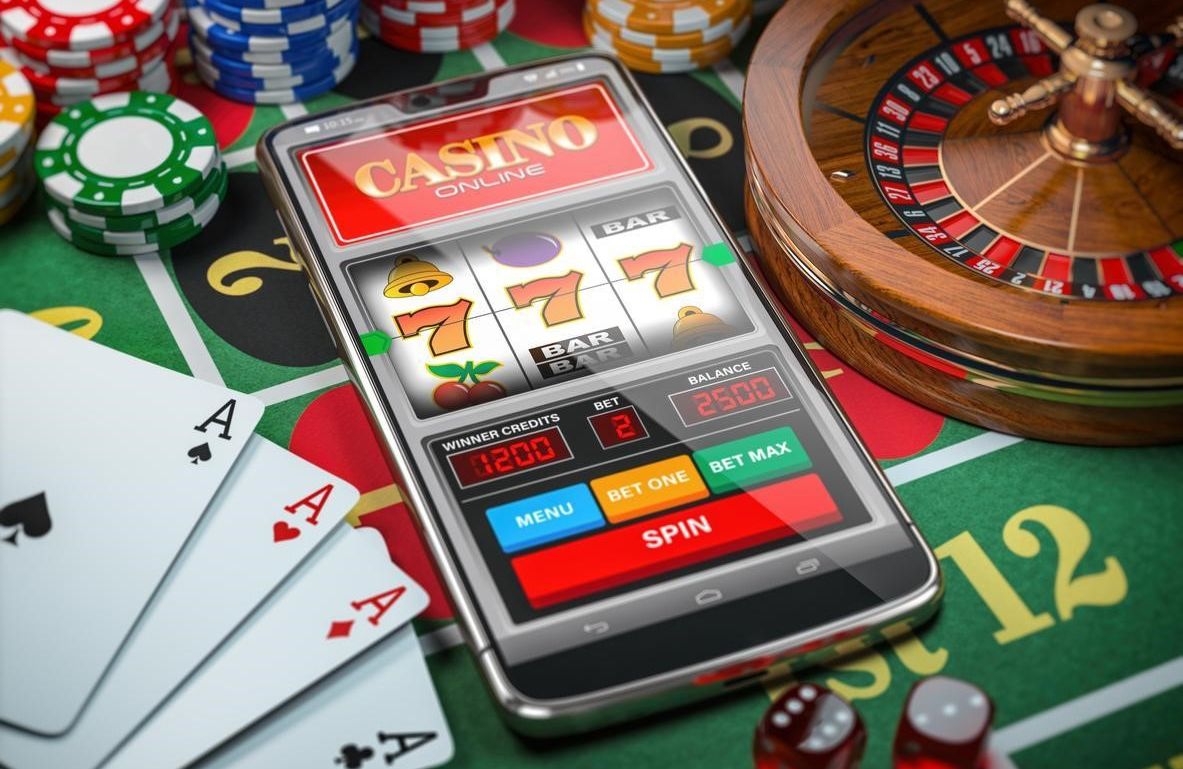
For beginners looking to start their gambling journey, choosing the right online casino is essential. Factors to consider include user experience, game variety, and the availability of secure payment methods. Additionally, reading expert reviews can provide insights into the best platforms suited for beginners.
New players should also look for casinos that offer generous bonuses and promotions to enhance their gaming experience. A user-friendly interface and responsive customer support can significantly improve the overall satisfaction of the gambling experience.